Introduction to Patio Sunroom Concepts
As homeowners look to enhance their outdoor living spaces, the patio sunroom has gained tremendous popularity. Combining the comfort of indoors with the refreshing ambiance of the outdoors, a patio sunroom not only expands your living area but also adds aesthetic value to your home. In this article, we will explore the defining features, benefits, styles, and critical considerations to make the most out of your patio sunroom project.
Defining the Patio Sunroom
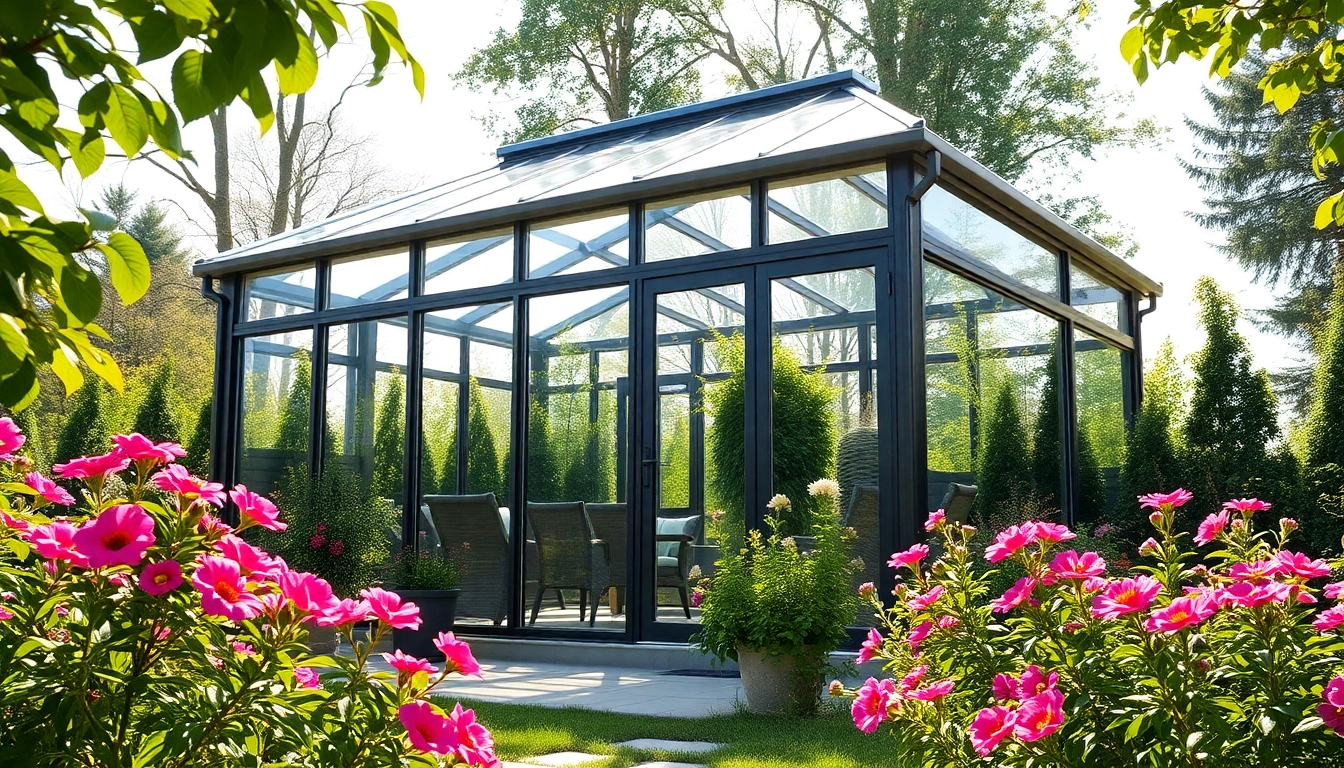
A patio sunroom is an enclosed, typically glass-sided structure that serves as a transitional space between the home and the outdoors. It's designed to let in natural light while providing protection from the elements, making it an ideal spot for relaxation or entertainment. Often referred to as solariums or sunrooms, these spaces can be customized to meet the architectural style of your home while providing unique functional benefits.
Benefits of Having a Patio Sunroom
- Increased Natural Light: A patio sunroom allows abundant sunlight into your living space, creating a warm, inviting atmosphere.
- Expanded Living Space: This additional room offers versatility for various activities such as reading, gardening, or socializing.
- Enhanced Outdoor Views: Large glass windows or walls provide uninterrupted views of your landscape and nature.
- Weather Protection: It shields you from rain, wind, and extreme temperatures, allowing year-round use.
- Increased Home Value: An attractive sunroom can enhance your home's curb appeal and marketability.
Popular Styles and Designs
Patio sunrooms come in various styles, each catering to different aesthetic preferences and functional needs. Some popular designs include:
- Classic Glass Sunroom: Features large glass panels, optimal for sunlight and views.
- Three-Season Room: Less insulated, ideal for mild weather, often featuring screen options for ventilation.
- Four-Season Room: Well-insulated, allowing comfortable use year-round with heating or cooling systems.
- Lean-To Sunroom: Attached to an existing wall, this design blends seamlessly with your home architecture.
- Gabled or Cathedral Sunroom: Offers a high ceiling and dramatic views, often enhancing visual space.
Choosing the Right Location for Your Patio Sunroom
Assessing Your Outdoor Space
Before constructing a patio sunroom, examining your available outdoor space is crucial. Consider aspects such as sunlight exposure throughout the day, proximity to existing structures, and access to utilities like electricity and water. Conducting a site analysis will help you determine the best location for your new sunroom.
Factors to Consider for Optimal Placement
- Sun Orientation: Positioning your sunroom south-facing may maximize sunlight, enhancing warmth and light.
- Privacy Concerns: Ensure your sunroom is situated to maintain privacy from neighbors or passersby.
- Access and Proximity: The sunroom should be easily accessible from the primary living areas of the house.
- Impact on Landscape: Consider how the new structure will blend with or obstruct your existing landscape.
Local Regulations and Building Codes
Before proceeding with your sunroom project, it’s essential to familiarize yourself with local regulations and building codes. Many jurisdictions require permits for constructing new structures, while zoning laws might dictate the type of materials and designs allowed in your area. Consulting with local authorities can save you time, money, and potential legal issues down the road.
Designing Your Perfect Patio Sunroom
Essential Features and Customizations
When designing your patio sunroom, it's important to consider features that enhance your comfort and usability. Think about installing:
- Heating and Cooling Systems: Integrate HVAC systems for climate control.
- Window Styles: Choose double-glazed windows for insulation and energy efficiency.
- Lighting Options: Install ambient lighting and ceiling fixtures to enhance nighttime use.
- Furniture and Decor: Select weather-resistant furniture and decor to maintain aesthetics.
Materials to Consider for Durability
The longevity of your sunroom heavily relies on the materials used for construction. Popular materials include:
- Aluminum: Lightweight and durable, aluminum frames are rust-resistant and require minimal maintenance.
- Wood: Offers a natural aesthetic but requires regular upkeep and treatment against the elements.
- Vinyl: A low-maintenance option that resists warping and fading over time.
- Glass: High-quality tempered or Low-E glass is essential for insulation and UV protection.
Integrating Indoor and Outdoor Spaces
A well-designed patio sunroom should create a seamless transition between indoor and outdoor living. Consider incorporating sliding or folding glass doors to open up the space, allowing easy access to your backyard or garden. Additionally, choose interior decor that reflects outdoor elements, such as natural textures and colors, to enhance the overall ambiance of the sunroom.
Cost and Budgeting for a Patio Sunroom
Estimating Expenses: What to Consider
The cost of constructing a patio sunroom varies widely based on size, materials, and design complexity. Here are some factors to help you estimate:
- Size: Larger sunrooms will naturally incur higher costs due to increased materials and labor.
- Materials: The choice of materials (glass, aluminum, wood) will significantly affect your budget.
- Finishing Touches: Consider costs for HVAC, electricity, furniture, and other design elements.
- Labor: Hiring professional contractors can add to your overall expenses.
Financing Options Available
Many homeowners explore various financing options when planning a sunroom project. Consider the following:
- Home Equity Loans: Utilize your home’s equity to fund the project, usually at a lower interest rate.
- Personal Loans: These can cover the costs, though they may come with higher interest rates.
- Credit Cards: Useful for smaller expenses, but be wary of high-interest rates if not paid off promptly.
Managing Costs Effectively
To stay within budget, establish a detailed project plan that includes timelines and expenses. Shop around for both materials and contractors to find the best deals. Additionally, consider DIY elements for smaller aspects of the project, if you have the necessary skills and tools.
Maintenance Tips for Longevity
Cleaning and Care Guidelines
To ensure your patio sunroom remains in pristine condition, implement the following maintenance steps:
- Regular Cleaning: Clean windows and surfaces with appropriate products to maintain visibility and aesthetics.
- Inspect Weatherproofing: Regularly check seals and joints for wear and reseal to avoid leaks.
- Remove Debris: Clear gutters and eavestroughs regularly to prevent water accumulation.
Seasonal Preparations and Considerations
Each season poses unique maintenance challenges. In winter, ensure that snow and ice are removed from the roof and surfaces. During spring and summer, check for pest issues or plant overgrowth that could encroach on the sunroom.
Common Issues and How to Address Them
Some common issues with patio sunrooms include:
- Leaks: Address promptly by checking seals and using appropriate caulking materials.
- Condensation: Improve ventilation to reduce moisture buildup that leads to condensation issues.
- Overheating: Implement shading solutions like shades or awnings to control temperature during warmer months.
Frequently Asked Questions
What is a patio sunroom?
A patio sunroom is an enclosed outdoor space that blends indoor comfort with outdoor ambiance, often made of glass for natural lighting.
How much does a patio sunroom typically cost?
Costs can range from a few thousand to over $20,000, depending on size, materials, and complexity of the design.
Can I customize my patio sunroom design?
Yes, many options allow customization in terms of size, layout, materials, and features to fit your style and needs.
What materials are best for a patio sunroom?
Commonly used materials include aluminum, wood, and vinyl, with glass for walls to maximize light and views.
How do I maintain my patio sunroom?
Regular cleaning, sealing joints, and inspecting for weather damage will help maintain its longevity and aesthetics.