Understanding Water Leak Detection
Water leak detection is an essential service for homeowners looking to maintain the integrity and safety of their properties. It plays a critical role in preventing significant damage caused by leaks that can go unnoticed for long periods. Hidden leaks can lead to costly repairs, structural damage, and mold growth, which can pose health risks. The Leak Hunter offers state-of-the-art water leak detection services that are reliable and tailored to your specific needs. In this article, we will delve deeper into the significance of early detection, the types of leaks commonly encountered, and the advanced technologies used in this field.
What Is Water Leak Detection?
Water leak detection refers to the methods and technologies employed to identify leaks in plumbing systems, roofs, and walls before they escalate into more serious issues. It involves careful monitoring and analysis of various indicators that suggest water loss or leakage. Specialized equipment and techniques are used to pinpoint the exact location of leaks without invasive measures, preserving the integrity of your property.
The Importance of Early Detection
Detecting water leaks early can save homeowners thousands of dollars in repairs and maintenance. Early detection helps in minimizing water damage to your property, preventing mold growth, and conserving water, which is both environmentally friendly and cost-effective. It also protects your property value, as undetected leaks can lead to serious structural issues over time.
Common Types of Water Leaks
- Pipe Leaks: Often found in underground or hidden pipes, these leaks can be difficult to detect without specialized equipment.
- Roof Leaks: Water can seep through roofing materials, leading to damage in ceilings and walls.
- Foundation Leaks: Water can infiltrate through cracks in the foundation, resulting in structural issues.
- Appliance Leaks: Dishwashers, washing machines, and refrigerators can develop leaks that go undetected until serious damage occurs.
Advanced Technologies in Leak Detection
Modern leak detection methods leverage advanced technologies that allow for fast, accurate, and non-invasive identification of leaks. These technologies can quickly assess a property and locate leaks with minimal disruption.
How Thermal Imaging Works in Leak Detection
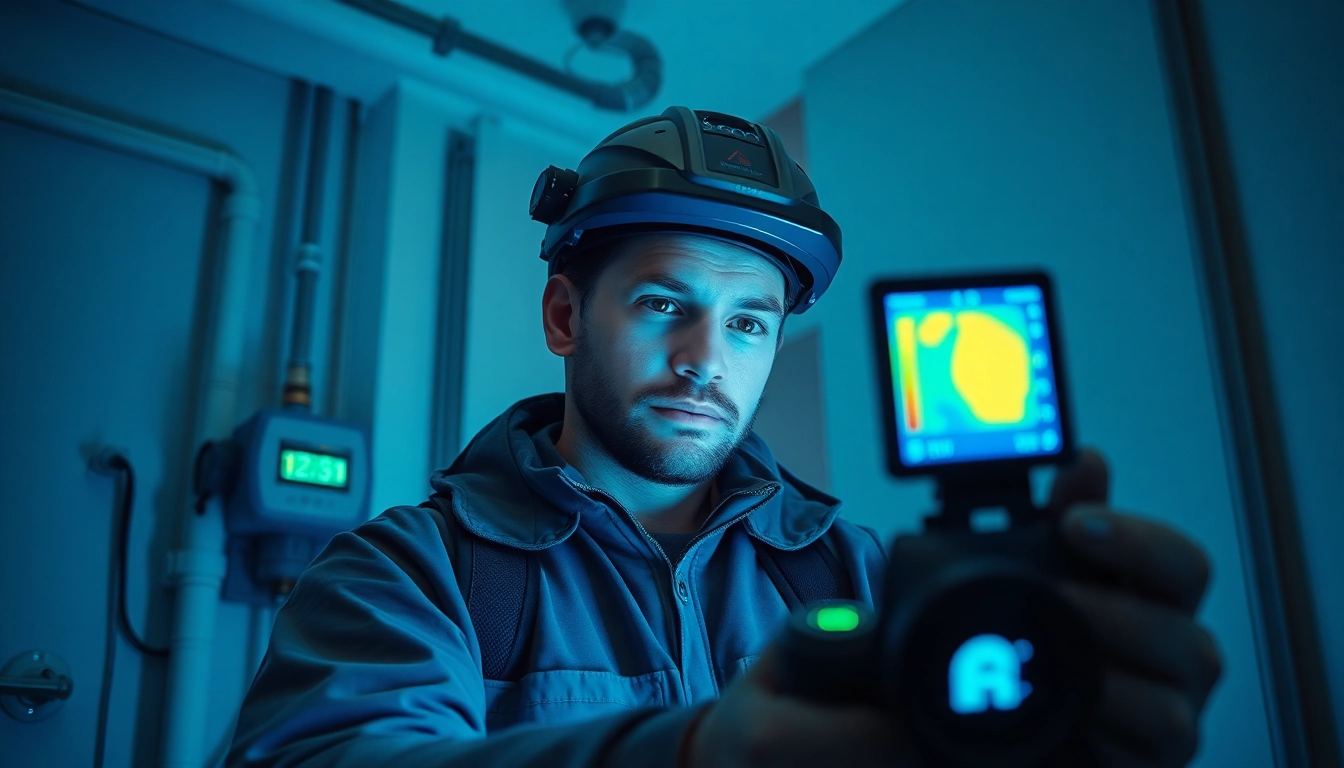
Thermal imaging employs infrared cameras to detect temperature variations caused by water leaks. This non-invasive method allows technicians to see behind walls and ceilings and identify moisture accumulation without the need for destructive testing. The ability to visualize these temperature differences makes thermal imaging a powerful tool for pinpointing leaks accurately.
Benefits of Acoustic Listening Devices
Acoustic listening devices are specialized tools that detect the sound of water escaping from pipes. This method works exceptionally well for underground leaks or those hidden within walls. By amplifying the sound of the leak, technicians can determine its location with precision, ensuring efficient repairs and minimizing property disruption.
Pressure Testing: A Step-by-Step Guide
- Isolation: Sections of the plumbing system are isolated to prevent interference from other areas.
- Pressure Measurement: Initial pressure readings are taken to establish a baseline.
- Pressure Application: Pressure is applied to the isolated section to monitor for drops, which indicate leaks.
- Leak Identification: Technicians analyze the pressure data to identify potential leak locations.
Choosing the Right Leak Detection Service
Selecting the right leak detection service is crucial for ensuring accurate and thorough leak identification. Homeowners should consider several factors when evaluating services to ensure they receive the best possible outcome.
What to Look for in a Professional Service
When choosing a leak detection service, look for companies that utilize advanced technologies, have a reputation for reliability, and offer clear reporting on their findings. Certifications and experience play a significant role in the quality of service you can expect. Additionally, seek companies that provide comprehensive guarantees for their services.
No Find, No Fee: What This Means for Homeowners
The "No Find, No Fee" policy means that if a leak cannot be detected, you will not incur any charges for the service. This gives homeowners peace of mind, as they are not at risk of paying for unsuccessful detection efforts, making it a reliable option for anyone seeking leak detection services.
Understanding Guarantees and Warranties
Reputable leak detection companies offer guarantees and warranties for their services. Understanding these terms is essential: a warranty often assures that repairs will be made if the same issue arises within a specified time, while a guarantee reflects the company's confidence in its service quality. Always inquire about the details of these protections before proceeding with any service.
Cost of Water Leak Detection Services
The cost of water leak detection services can vary significantly based on numerous factors, such as the location of the leak, the technology used, and the complexity of the plumbing system.
Typical Costs Involved in Leak Detection
On average, homeowners can expect to pay between £550 to £1,250 for professional water leak detection services. Factors influencing this cost include the methods employed (e.g., thermal imaging, pressure testing) and the service provider's pricing structure. Some companies may charge by the hour, while others may offer flat-rate packages.
Factors Influencing the Cost of Services
- Location: Leaks in harder-to-access areas generally require more labor and specialized equipment, which raises costs.
- Technology Used: More advanced methods often come with higher costs due to the equipment required.
- Severity of the Leak: The complexity of the leak's location and severity can affect the amount of time and resources needed for detection.
Investing in Preventive Measures
Investing in routine leak inspections can save significant amounts on future repair costs. Regular checks help catch potential leaks early, allowing for simple fixes rather than extensive damage control later on. Homeowners should budget for annual inspections as part of their property maintenance plans.
Future Trends in Water Leak Detection
As technology continues to evolve, so do the methods and practices surrounding water leak detection. The industry is on the verge of several exciting advancements that will enhance efficiency and reliability.
Emerging Technologies in 2025
In 2025, we can expect the integration of AI and machine learning in leak detection technologies, allowing systems to predict potential failures before they occur. Smart plumbing solutions will incorporate sensors that monitor water usage patterns, providing alerts to homeowners at the first sign of irregularities.
Smart Home Integration for Leak Detection
With the rise of smart home technologies, leak detection systems will increasingly integrate with home automation networks. Homeowners will receive real-time leak alerts via smartphone notifications, allowing for immediate action. This integration not only enhances convenience but also contributes to overall home safety and energy efficiency.
Predictions for the Leak Detection Industry
The future of the leak detection industry looks promising, with continuous innovation leading to more reliable, efficient, and less invasive methods of detecting leaks. Homeowners will benefit from reduced costs, enhanced safety measures, and greater peace of mind as technology advances. As smart homes become the norm, proactive maintenance and detection will form a vital part of home ownership in the years to come.