The Importance of Personal Security Personnel
In an increasingly unpredictable world, the role of personal security personnel has never been more vital. From celebrities and dignitaries to corporate executives and ordinary individuals seeking peace of mind, the need for trained professionals to ensure safety is paramount. Personal security personnel not only help in preventing incidents but also play a crucial role in responding effectively during emergencies. This article explores their importance, types, qualities, challenges, and more.
Understanding Personal Security
Personal security is a comprehensive field that encompasses a wide range of services aimed at protecting individuals from harm or threats. This includes physical protection, threat assessment, risk management, and emergency response planning. The foundation of personal security lies in the ability to identify vulnerabilities and proactively thwart potential dangers, making it essential for high-profile individuals or those in high-risk environments.
Why Security Personnel Matter
Security personnel are crucial for various reasons. They are trained to evaluate potential threats, develop security plans tailored to individual needs, and implement suitable measures to mitigate risks. Their presence not only deters criminal activity but also provides peace of mind, allowing individuals to focus on their daily tasks without fear. Moreover, personal security personnel are equipped to handle emergencies, providing an essential layer of reactionary support.
Current Trends in Security Services
The landscape of personal security is continually evolving, influenced by advancements in technology and changing societal needs. One current trend includes the integration of high-tech tools such as drones and surveillance systems, allowing for more efficient monitoring and response capabilities. Furthermore, there is an increasing focus on psychological training, helping security staff better manage high-pressure situations and effectively communicate with clients.
Types of Personal Security Personnel
Bodyguards and Executive Protection
Bodyguards specialize in protecting individuals, particularly those in the public eye or facing specific threats. Their training involves not only defensive tactics but also advanced awareness and threat assessment skills. Executives often require such protection while traveling or attending events, where risks may be heightened.
Event Security Personnel
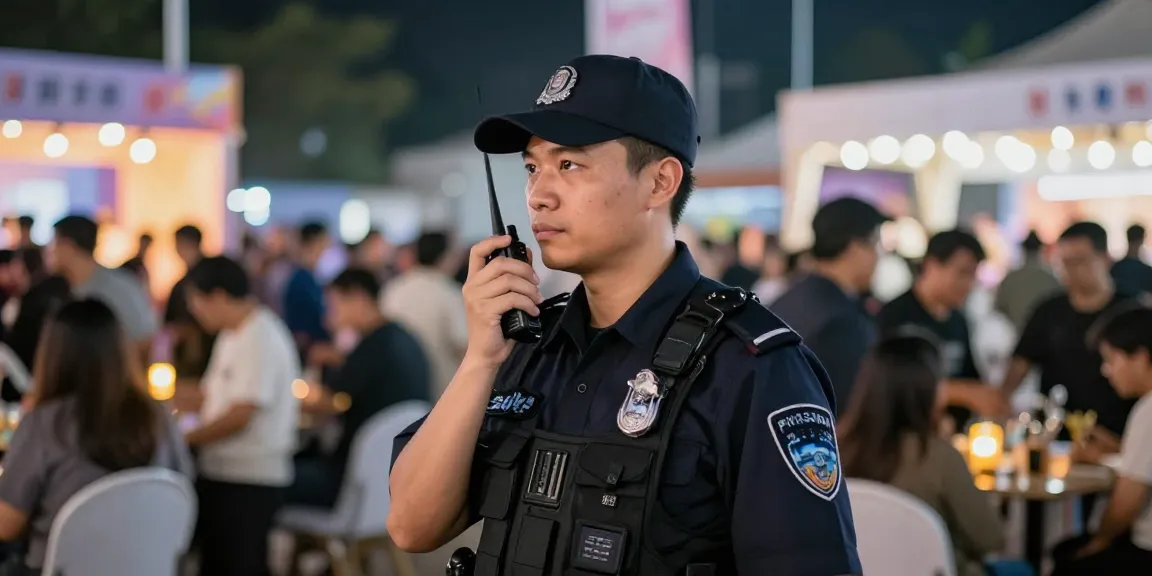
Event security teams are pivotal for ensuring the safety of guests and attendees during public gatherings or private events. These professionals manage access points, monitor attendee behavior, and are trained to respond to a wide range of potential security incidents, from theft to medical emergencies.
Corporate Security Teams
Corporate security teams work within organizations to protect assets, information, and personnel. Their duties may include handling cybersecurity, monitoring workplace safety, and developing comprehensive security policies that align with the company's goals. They act as a preventative measure against internal and external threats, safeguarding the organization’s reputation and stability.
Key Qualities of Effective Personal Security Personnel
Vigilance and Observation Skills
Effective personal security personnel must possess acute observational and vigilance skills. They should be able to identify unusual behaviors, assess situations rapidly, and anticipate potential threats. Regular training in situational awareness helps security professionals sharpen these skills, enabling them to act decisively when required.
Communication and Interpersonal Skills
Security personnel often find themselves in high-pressure environments where effective communication is crucial. They must convey clear instructions to clients, collaborate with law enforcement if necessary, and de-escalate tense situations. Interpersonal skills also play a significant role, as building rapport with clients can enhance trust and cooperation.
Physical Fitness and Training
Physical fitness is another critical aspect of personal security. Personnel must be in good shape to respond quickly in high-energy situations. Regular training encompasses defensive tactics, emergency response techniques, and even first aid to ensure they are physically and mentally prepared for various scenarios. Ongoing training ensures that they stay updated with the latest security protocols and technologies.
Challenges Faced by Personal Security Personnel
Dealing with Diverse Situations
On any given day, personal security personnel may face a variety of unexpected incidents. From managing crowds at public events to handling personal disputes, they must be adaptable. Training in crisis management and risk assessment can help prepare them for the broad spectrum of situations they might encounter.
Managing Client Expectations
Another challenge for personal security personnel involves aligning their services with client expectations. Often, individuals may not fully understand the necessary level of security, leading to unrealistic demands. Open communication is essential, ensuring that clients have a clear understanding of what to expect, the risks involved, and how the staff plans to address them.
Staying Updated with Security Technologies
The rapid advancement of technology poses a challenge for personal security personnel. They must stay informed about the latest tools and methods for risk management. This may include using advanced surveillance systems, understanding cybersecurity measures, and incorporating new communication protocols to enhance safety measures across scenarios.
FAQs about Personal Security Personnel
What qualifications are needed for personal security personnel?
Personal security personnel typically require a background in law enforcement or military service, along with training in surveillance, threat assessment, and self-defense. Certifications in first aid and emergency response are often advantageous.
How do personal security personnel assess risks?
They conduct thorough evaluations by analyzing the client's environment, identifying vulnerabilities, and using intelligence gathered from previous incidents to gauge potential threats effectively.
Are personal security personnel armed?
Whether personal security personnel are armed depends on the legal regulations in their jurisdiction and the specific needs of the client. Some may be licensed to carry firearms, while others focus on unarmed methods of protection.
What industries hire personal security personnel?
Personal security personnel are hired across various industries, including entertainment, corporate, event management, and private sectors. High-net-worth individuals often seek their services for personal safety.
How can I hire personal security personnel for an event?
To hire personal security personnel, assess the event's security needs, establish a budget, and consult with a reputable security agency to find qualified personnel that fit your requirements.