Understanding the Role of Personal Security Personnel
Definition and Responsibilities
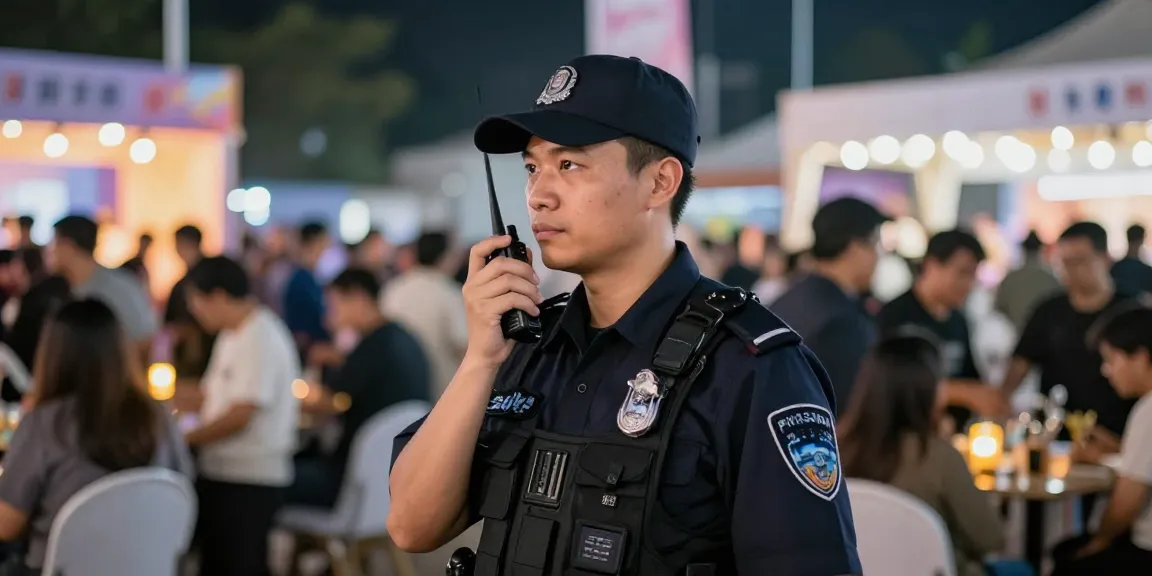
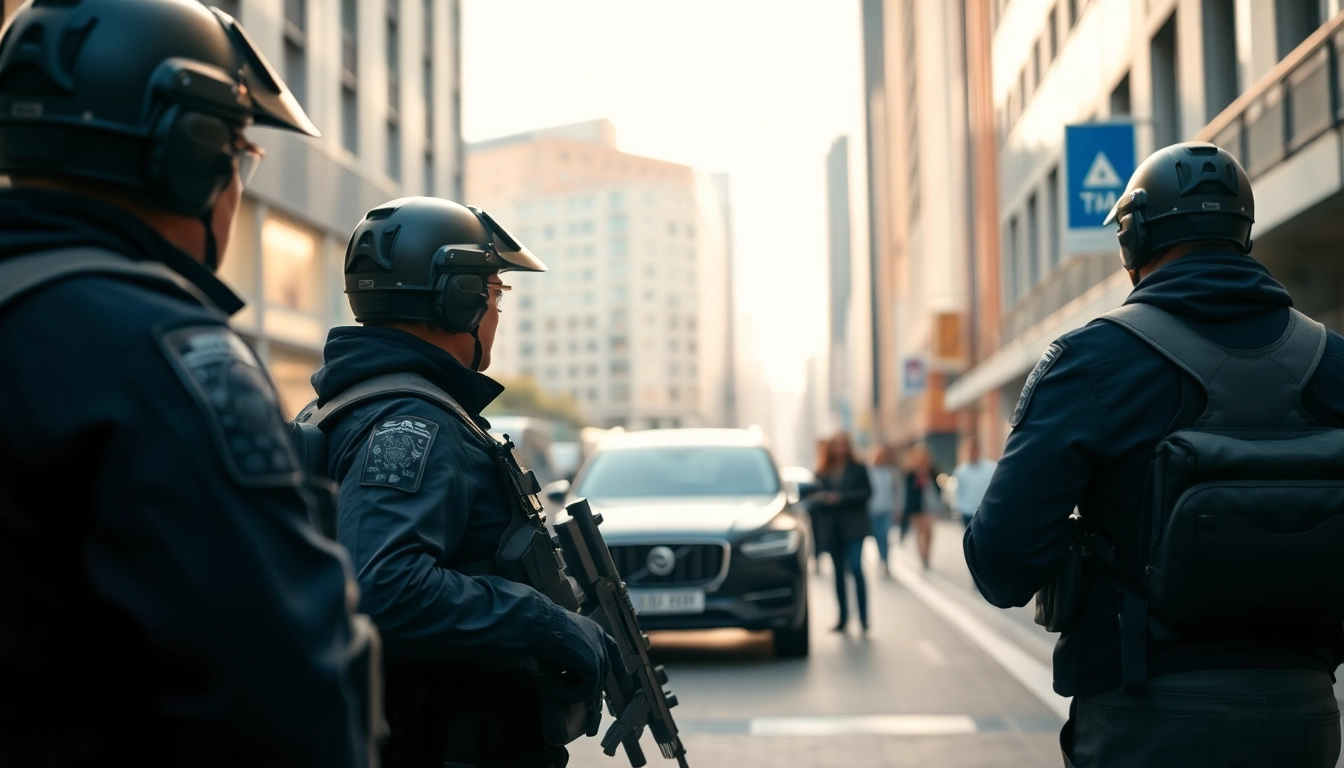
Personal security personnel are highly trained professionals responsible for ensuring the safety and welfare of individuals, often in high-risk situations or environments. Their duties encompass a wide range of activities, from risk assessment and threat management to on-site security and emergency response. They work to deter potential threats, implement security protocols, and employ tactical measures to safeguard their clients.
Importance of Personal Security
In an increasingly uncertain world, the importance of personal security cannot be overstated. With rising crime rates and high-profile incidents making headlines, individuals seek reliable ways to protect themselves. Engaging personal security personnel ensures that clients not only feel safe but also secure their assets, reputation, and peace of mind. Whether for celebrities, corporate executives, or private individuals, the presence of trained security can significantly mitigate risks.
Common Misconceptions
There are prevalent misconceptions about personal security personnel that can hinder their effectiveness. One common belief is that personal security is only for the wealthy or famous. In reality, anyone can benefit from the protection these professionals provide, especially in today’s unpredictable environment. Another misconception is that personal security personnel are merely bodyguards. While that is part of their role, they are trained in extensive security protocols, threat assessment, and crisis management, making them invaluable in various scenarios.
Hiring Personal Security Personnel: Key Considerations
Assessing Your Security Needs
The first step in hiring personal security personnel is to assess your specific security needs. This involves evaluating your lifestyle, profession, potential threats, and personal preferences. Are you often traveling for business? Do you have concerns about your privacy or personal safety? Understanding these factors enables you to communicate effectively with security experts and identify the necessary level of secure coverage required.
Choosing the Right Personnel
Selecting the right personal security personnel is crucial. Look for individuals with proven experience in personal security, relevant certifications, and appropriate training. Consider their background—military, law enforcement, or specialized security training—that aligns with your needs. Furthermore, compatibility with your personality and lifestyle is essential, as trust and communication play pivotal roles in an effective security relationship.
Budgeting for Security Services
When hiring personal security personnel, budget considerations are significant. Security service costs can vary widely based on the level of threat assessment, personnel qualifications, and the scope of services offered. It is beneficial to discuss your budget upfront while understanding that investing in quality security personnel often enhances overall safety and significantly reduces risks.
Best Practices for Engaging Personal Security Personnel
Establishing Clear Communication
Effective communication is the backbone of a successful partnership with personal security personnel. You should clearly articulate your security concerns, expectations, and any specific requirements. Regular check-ins and updates can foster a strong working relationship where both parties remain aligned on safety objectives and strategies.
Creating a Comprehensive Security Plan
A well-structured security plan is paramount. This plan should encompass risk assessments, evacuation procedures, daily schedules, and emergency contacts. Working collaboratively with your personal security personnel to develop this plan ensures that all aspects of your safety are comprehensively addressed, fostering confidence in your security arrangements.
Training and Drills
Engaging personal security personnel is not just about having them on-site; it also involves regular training sessions and drills. This ensures that personnel are well-practiced in emergency protocols and familiar with your preferred environments. Conducting drills can prepare everyone for potential security breaches and help fine-tune response strategies, making the environment safer for all involved.
Real-World Examples of Effective Personal Security
Case Studies from High-profile Clients
Examining the practices of high-profile clients can offer invaluable insights into effective personal security. For instance, many celebrities employ personal security personnel not only for physical protection but also for privacy management during public appearances. Their multi-layered approach often involves using technology in tandem with traditional security measures, demonstrating the evolution of personal security practices.
Lessons Learned from Security Incidents
Security incidents provide critical learning opportunities to refine personal security strategies. Analyzing cases where security failed—whether due to inadequate risk assessment, lack of preparedness, or ineffective communication—can highlight necessary improvements. Implementing these lessons into future security plans helps to diminish vulnerabilities and strengthen protective measures.
Adjusting Strategies Based on Case Studies
Adapting security strategies based on real-world case studies is essential in keeping personal security services relevant and effective. By reviewing incidents and success stories from various contexts, individuals can refine their security protocols to align with current trends and emerging threats, thus enhancing their overall safety measures.
FAQs about Personal Security Personnel
What qualifications should personal security personnel have?
Personal security personnel should have relevant training in threat assessment, crisis management, and emergency response. Certifications from recognized security organizations add credibility.
How much does it typically cost to hire personal security personnel?
Costs vary widely based on factors like the level of security required and personnel experience. Budget considerations should be discussed upfront with security firms.
Can personal security personnel adapt to different environments?
Yes, personal security personnel are trained to adapt to various environments, understanding the unique threats and safety measures required in each setting.
What are the legal considerations when hiring personal security personnel?
Legal considerations include compliance with local regulations regarding personal security and ensuring that personnel are licensed and insured to operate in your jurisdiction.
How do personal security personnel maintain client confidentiality?
Professional personal security personnel are trained to respect client confidentiality, employing non-disclosure agreements and ensuring sensitive information is securely handled.