
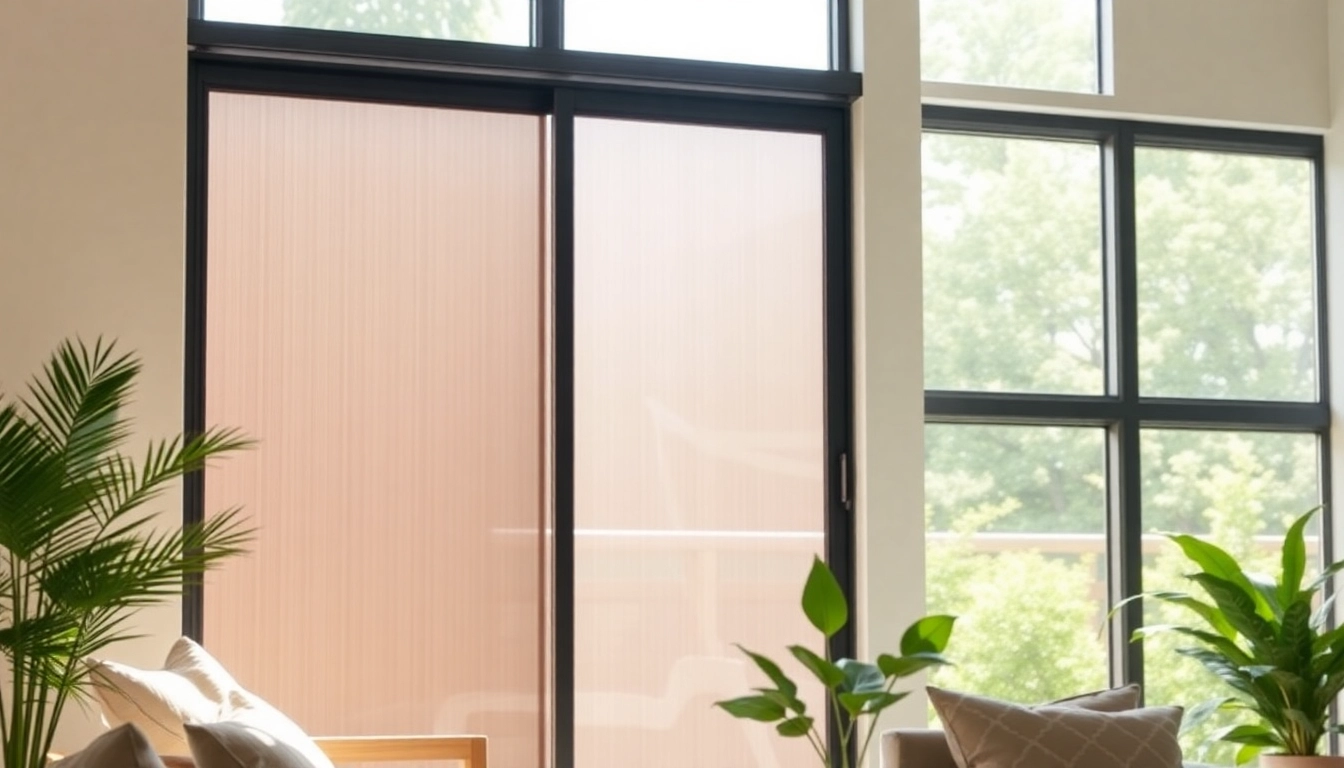
Understanding the Benefits of a Fly Screen Door
As homeowners seek innovative ways to enhance comfort and functionality in their living spaces, the fly screen door has emerged as a popular solution. This is not just an accessory; it is an essential component that offers a blend of practicality and aesthetic appeal. In this section, we’ll explore the multitude of benefits these doors provide.
Why Choose a Fly Screen Door?
The reasons for selecting a fly screen door over traditional door options are abundant. One of their primary advantages is the ability to enjoy fresh air without the annoying intrusion of insects. With a fly screen door, you can leave the door open during pleasant weather, allowing airflow while keeping flies, mosquitoes, and other pests at bay.
Moreover, fly screen doors contribute significantly to indoor air quality. By enhancing cross-ventilation in your home, they help in dispersing stagnant air, thus replacing it with fresh outdoor air. This natural air exchange can also reduce reliance on artificial cooling systems, making homes more comfortable.
Improved Ventilation and Protection
In addition to preventing unwanted pests, these doors improve ventilation in your home. Enhanced airflow not only makes a space feel cooler but also minimizes humidity levels, which is critical in preventing mold and mildew growth. Furthermore, fly screen doors are designed to provide robust protection against external elements while maintaining visibility to the outside.
This becomes particularly important in warmer seasons when you may want to keep your living spaces cool. Fly screen doors make it easy to enjoy the outdoors without worrying about uninvited guests, thus bringing a new level of comfort to your home.
Energy Efficiency Benefits
Energy conservation is a growing concern for homeowners, and fly screen doors play a significant role in this regard. By allowing fresh air to circulate without compromising on protection, these doors can help reduce the need for air conditioning during mild weather conditions. In turn, this can lead to decreased energy consumption and lower utility bills.
Moreover, with increased ventilation, your home’s air quality is improved, contributing to a healthier living environment. This dual ability to improve comfort while promoting energy efficiency makes fly screen doors an invaluable addition to any home.
Types of Fly Screen Doors Available
Not all fly screen doors are created equal. Understanding the different types available can help you make an informed choice about what best fits your needs. Here, we delve into several popular options.
Sliding Fly Screen Doors Explained
Sliding fly screen doors are an excellent choice for spaces that demand functional efficiency without taking up additional room. They operate on tracks, allowing smooth and easy movement. This type is often ideal for large openings such as patio doors and can be custom-fitted to ensure maximum protection against bugs.
Additionally, the sleek aesthetic of sliding fly screen doors enhances the overall look of your home, complementing both modern and traditional design themes. They provide the functionality of a full door while maintaining the lightness of a screen.
Hinged vs. Pleated Fly Screen Doors
Hinged fly screen doors are the more traditional option, swinging open and closed. They are easy to install and operate, making them suitable for a range of door widths and heights. In contrast, pleated fly screen doors are known for their unique design where the screen folds into pleats when opened. This saves space and allows for a more unobtrusive design when not in use.
The choice between the two often comes down to personal preference and the specific needs of the house. Whereas hinged doors are easier to install and manage, pleated doors can be aesthetically pleasing and more versatile.
Choosing the Right Material
The materials used for fly screen doors can vary widely, which will impact their durability, performance, and maintenance requirements. Common materials include fiberglass, aluminum, and stainless steel.
Fiberglass screens are lightweight and rust-proof, making them an affordable choice that doesn’t skimp on durability. Aluminum provides a sturdier frame and can withstand harsher weather conditions but may be prone to rust if not properly maintained. Stainless steel offers the highest level of durability and protection, particularly against corrosion and wear over time, making it ideal for environments exposed to the elements.
When selecting your fly screen door, consider factors such as climate conditions, aesthetic preferences, and how much maintenance you are willing to undertake.
Measuring and Installing Your Fly Screen Door
Proper measurement and installation are crucial to ensuring that your fly screen door functions effectively and fits well within your space. Below are detailed steps to guide you through this process.
How to Measure Your Space
The first step in selecting the right fly screen door is accurate measurement. Begin by measuring the height and width of the door frame where the screen will be installed. Use a tape measure and ensure that you take measurements at multiple points (top, middle, bottom) for accurate dimensions.
Additionally, consider noting any obstructions such as handles or locks that may affect the screen’s installation. By taking precise measurements, you’ll help ensure a snug fit that enhances functionality and aesthetic appeal.
DIY Installation Tips
Installing a fly screen door is a project that many homeowners can accomplish themselves. Start by gathering the necessary tools, including screws, a screwdriver, and a level. Follow manufacturer instructions carefully, as these will provide the best guidance tailored to your specific model.
Begin the installation by attaching the frame securely within the door frame, ensuring it is level. Once the frame is in place, secure the mesh screen according to the manufacturer’s guidelines. Ensure that the screen is smooth and free of wrinkles, which can hinder functionality.
Common Installation Mistakes
Even seasoned DIYers can encounter challenges when installing a fly screen door. One common mistake is miscalibrating measurements, leading to a poor fit that can compromise effectiveness. Another frequent error is overlooking the need for a level installation, which could result in the door not closing properly.
Additionally, using subpar mounting hardware can result in frame instability. Ensure that all screws and connectors are sturdy and appropriate for the job at hand. Checking your work periodically throughout the installation can help minimize potential issues.
Maintenance Tips for Longevity
To maximize the lifespan and performance of your fly screen door, regular maintenance is necessary. This ensures the door continues to function effectively and looks great for years to come.
Cleaning Your Fly Screen Door
Cleaning your fly screen door should be an integral part of your home maintenance routine. Begin by gently removing any dust or debris from the screen using a soft brush or vacuum. Follow this with a cleaning solution of mild soap and water, scrub lightly, and rinse thoroughly. Avoid using harsh chemicals, which can damage the screen material.
It’s also helpful to remove the screen for a deep clean during the off-season, which allows you to access all parts of the frame. This can keep dirt and grime from building up and maintain the door’s appearance.
Seasonal Care for Durability
Different seasons can present unique challenges for your fly screen door. In the spring and summer, keep an eye out for pests that may try to navigate through the screen’s mesh. Inspect for any tears or holes periodically, which can compromise effectiveness.
In the fall and winter months, remove the screen if it’s not designed to withstand harsh weather conditions. This step can prevent unnecessary wear from snow, ice, or extreme wind. Properly storing your screen during these months can significantly extend its lifespan, ensuring it’s ready for use when warmer weather returns.
When to Replace Parts
Eventually, every fly screen door may require parts to be replaced. Common indicators that it may be time to replace components include visible wear, such as fraying mesh or cracks in the frame. If the door fails to close properly despite adjustments, consider examining the hinges and other moving parts for wear.
Acting promptly to replace damaged or worn parts can help maintain the effectiveness of your fly screen door and ensure that it continues to function as intended.
Frequently Asked Questions
What is a fly screen door?
A fly screen door is a mesh door designed to allow airflow while keeping insects and pests out, enhancing comfort and fresh air circulation.
Can a fly screen door reduce energy costs?
Yes, by providing natural ventilation, a fly screen door can reduce the need for air conditioning, leading to lower energy bills and increased energy efficiency.
Are fly screen doors easy to install?
Yes, many fly screen doors are designed for DIY installation and can be installed with basic tools and measurements, making them accessible for homeowners.
How do I clean my fly screen door?
Clean your fly screen door using a soft brush or vacuum, followed by a mild soap-and-water solution. Rinse thoroughly, avoiding harsh chemicals for best results.
What materials are fly screen doors made from?
Fly screen doors are commonly made from materials such as fiberglass, aluminum, and stainless steel, each offering different benefits in terms of durability and maintenance.