
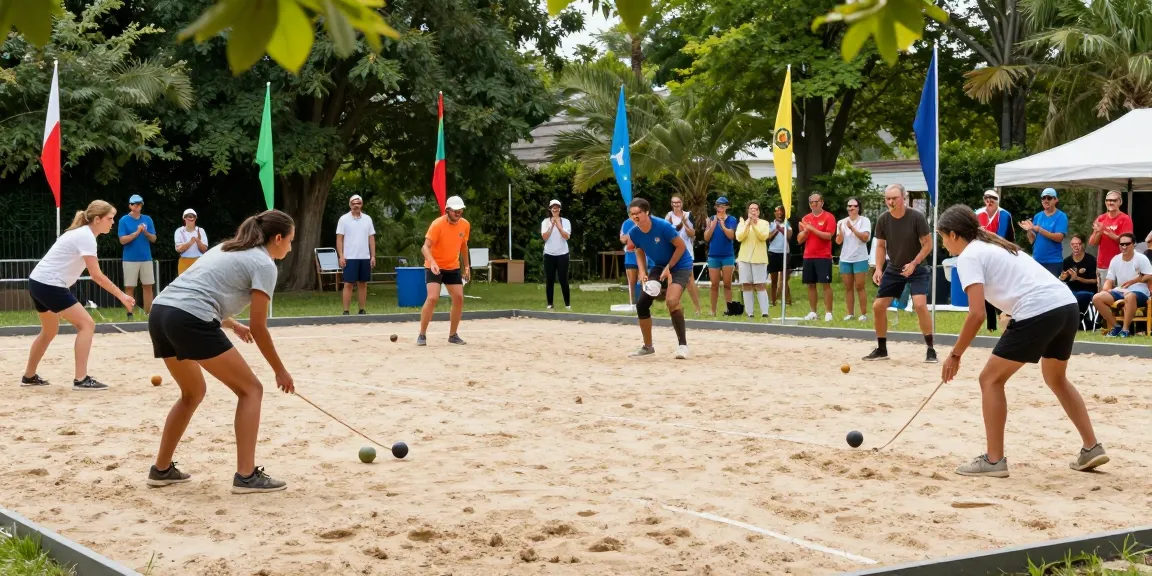
Understanding Petanque: History and Basics
Petanque is a fascinating outdoor game that has garnered attention and participation in various countries, including Indonesia. Originating from France, this game involves players throwing metal balls as close as possible to a small wooden ball, known as the cochonnet. Not only is petanque a test of skill and technique, but it also promotes social interactions among players and communities. For those interested in learning more about the sport, fopikotagorontal.org provides comprehensive insights into the growing community of petanque enthusiasts in Kota Gorontalo.
What is Petanque?
Petanque is often described as a combination of boules and lawn bowling. The game is typically played on hard dirt or gravel, making it accessible to various terrains and locations. Each player or team takes turns to throw metal balls, aiming for precision and strategy. The simplicity of rules makes it easy for novices to learn, while the depth of skill required for mastery keeps seasoned players engaged.
Key Rules and Regulations
The fundamental rules of petanque are straightforward. Each player starts with two metal balls, and the objective is to get as close as possible to the cochonnet. The game begins with a toss of the cochonnet, and players must stand within a designated circle to throw their balls. Points are scored for each ball that is nearer to the cochonnet than the opponent’s closest ball. The game continues until a player or team reaches a pre-agreed point total, usually 13.
Historical Background of Petanque in Indonesia
Petanque’s introduction to Indonesia can be traced back to expatriates from France who established this sport in various locations including Jakarta, Lombok, Yogyakarta, and Bali. Evidence suggests that it was played in hotels managed by French nationals, such as Hotel Novotel in Kuta and Hotel Horizon Ancol. However, it remained largely a pastime among expatriates until 2011, when Indonesia hosted the SEA Games in Jakarta-Palembang, making petanque an official sport. This event propelled the establishment of the Federasi Olahraga Petanque Indonesia (FOPI), which aims to nurture and promote petanque across the nation.
Common Challenges in Playing Petanque
Despite its charming simplicity, players often encounter several challenges when engaging in petanque. Addressing these challenges can significantly enhance one’s performance and enjoyment of the sport.
Poor Technique and Form
A common hurdle for many players is mastering their throwing technique and maintaining proper form. Inaccurate throws can lead to frustration and decreased confidence. Regular practice, guided coaching, and analyzing one’s throws can help improve mechanics and increase accuracy.
Understanding Terrain and Conditions
The playing surface’s texture and condition greatly influence ball behavior, making it crucial for players to adapt to different terrains. Whether it’s playing on gravel, dirt, or sand, understanding how the surface affects ball roll is essential for strategic gameplay.
Equipment Selection Issues
Selecting the right equipment, including balls of appropriate weight and size, is vital. Players should experiment with different types of petanque balls to find those that suit their playing style best. Additionally, investing in a quality cochonnet can aid in ensuring a fair game.
Strategies to Improve Your Game
For those eager to enhance their skills, implementing effective strategies is key. Here are several techniques to consider.
Essential Techniques for Beginners
New players should focus on developing a consistent throwing style. Practicing various types of throws, such as pointing and shooting, can establish a strong foundation. Engaging with more experienced players or taking lessons can accelerate learning.
Advanced Playing Strategies
Once familiar with the basics, players can explore advanced strategies like shot selection and game tactics. Understanding when to play aggressively or defensively can make a significant difference in outcomes.
Utilizing Coaching and Local Expertise
Having access to local coaching and expertise can greatly boost a player’s development. Many clubs and organizations, including those affiliated with the FOPI, offer training sessions and workshops that cover various aspects of the game.
Building a Petanque Community
Creating a vibrant community around petanque enhances the experience for all involved. Here are some ideas on how to cultivate this sense of community.
Joining Local Clubs and Competitions
Participating in local clubs and competitions not only improves skills but fosters friendships among players. Many regions now have petanque clubs affiliated with FOPI that welcome newcomers and host regular tournaments.
Hosting Community Events and Tournaments
Organizing events and tournaments can draw attention to the sport and encourage more people to join. These gatherings promote camaraderie and create opportunities for players to demonstrate their skills.
Engaging with Federasi Olahraga Petanque Indonesia
Active participation with the FOPI can provide resources, information, and opportunities to get involved in petanque at a national level. Staying connected with the organization can lead to participation in larger events and initiatives.
The Future of Petanque in Indonesia
The outlook for petanque in Indonesia is optimistic, with several trends indicating growth and expansion within the sport. As more players join the community and discover the joy of petanque, the sport is set to flourish.
Growth Trends in Local Participation
More Indonesian locals are discovering petanque, thanks in part to efforts by organizations like FOPI. Increased visibility through local tournaments and youth programs fosters interest across different demographics.
Expected Developments through 2026
In the coming years, Indonesia can expect continued development in terms of facilities, coaching resources, and competition opportunities. The aim is to elevate the level of play and integrate petanque more deeply into the fabric of Indonesian sports.
The Role of Technology in Enhancing the Sport
Technology is set to play a significant role in the advancement of petanque. From apps that track player performance to platforms that connect players and clubs, innovation will serve to enhance training and community engagement moving forward.
What equipment do I need to start playing petanque?
To start playing petanque, you’ll need a set of metal balls and a cochonnet. Most players use two or three balls, with sizes and weights varying based on personal preference and hand size.
How can I find local petanque clubs near me?
Searching online for petanque clubs or communities in your area can bring you in touch with local players. Websites like fopikotagorontal.org can be helpful for finding clubs in Gorontalo and connecting with the broader petanque community.
What are the benefits of playing petanque?
Playing petanque offers numerous benefits, including improved coordination, social interaction, and stress relief. It is a low-impact sport that can be enjoyed by individuals of all ages, making it inclusive and accessible.
Where can I learn more about petanque rules?
Official resources such as the FIPJP (International Federation of Petanque and Provençal Game) provide comprehensive information on rules and regulations. Local clubs often have knowledgeable members who can guide newcomers.
How often are tournaments held at fopikotagorontal.org?
Tournaments are typically organized according to the local calendar and may vary based on season and participant interest. Engaging with the community through fopikotagorontal.org can provide updates on upcoming events and competitions.