Understanding Basement Renovation Basics
What is Basement Renovation?
Basement renovation is the process of transforming an unfinished or underutilized basement space into a functional and aesthetically pleasing area of the home. This may involve a variety of projects, such as adding new walls, installing flooring, updating electrical systems, or even creating separate living quarters. Often overlooked, a basement can become a valuable extension of your living space, adding both utility and value to your home.
Common Goals and Benefits
The primary goals of basement renovation often include improving functionality, enhancing aesthetics, and increasing property value. Many homeowners aim to create multi-purpose spaces such as family rooms, home theaters, guest suites, or home offices. Additionally, a well-renovated basement can provide essential storage solutions, accommodate home-based businesses, or simply serve as a recreational area for relaxation and enjoyment.
Besides the practical uses, basement renovations can significantly enhance property value. A well-designed and finished basement appeals to potential buyers, often resulting in a better return on investment (ROI) should you choose to sell your home. Furthermore, the energy efficiency checks involved during renovations can lead to reduced utility bills and a more environmentally friendly home.
Key Renovation Trends
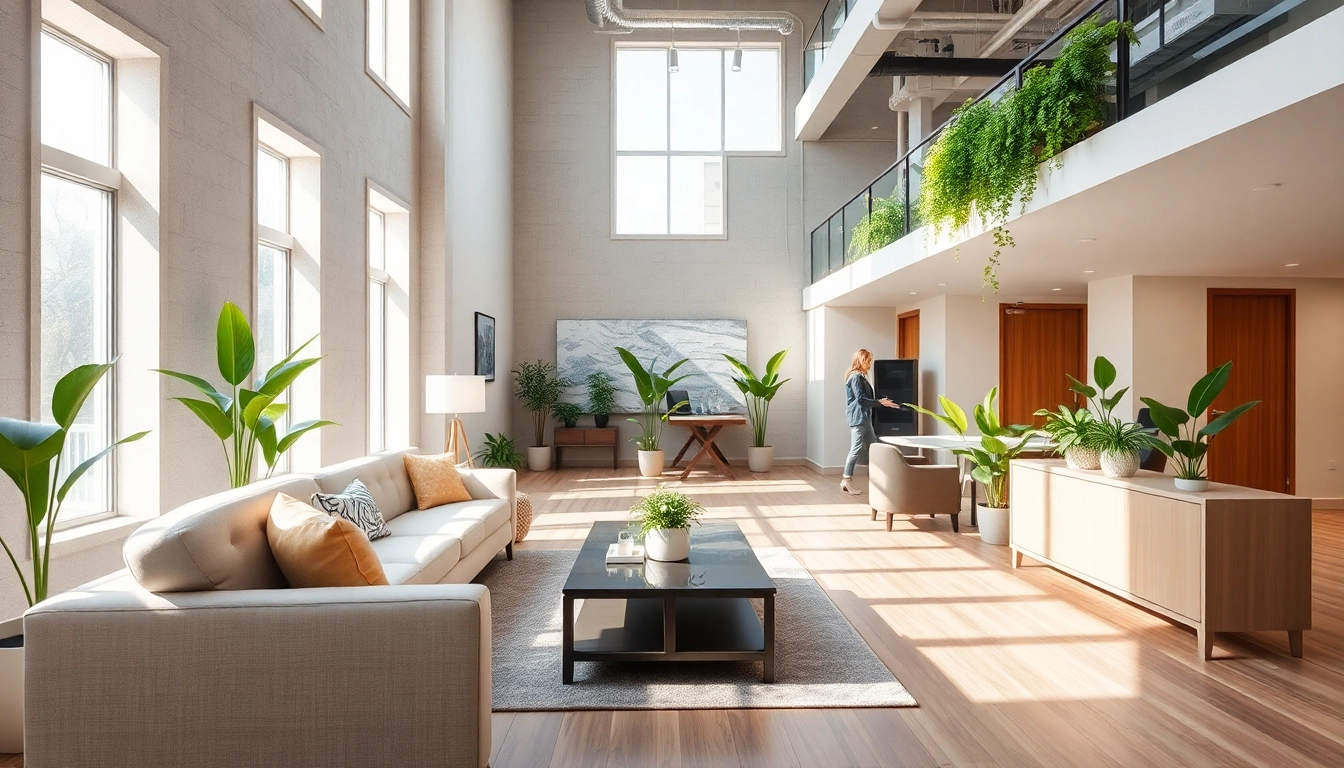
Some ongoing trends in basement renovation include open concept designs, enhanced natural lighting, and eco-friendly materials. Homeowners are becoming increasingly conscious about sustainability, often opting for reclaimed materials and energy-efficient appliances. Moreover, multi-functional spaces that accommodate different activities, such as working, entertaining, and exercising, are gaining popularity. Finally, incorporating technology such as smart home systems and integrated lighting solutions is becoming more common as homeowners seek convenience and efficiency.
Planning Your Basement Renovation
Choosing the Right Design Theme
Selecting a design theme is crucial for basement renovations, as it sets the tone for the entire space. Popular design styles include modern, rustic, industrial, and traditional, each offering unique characteristics. Modern designs focus on minimalism and clean lines, often utilizing neutral colors and sleek furnishings. Rustic themes highlight natural materials, such as wood and stone, whereas industrial designs embrace raw finishes and exposed elements.
Your design choice should complement the overall aesthetics of your home and reflect your personality and lifestyle. Don’t hesitate to gather inspiration from magazines, websites, or home improvement shows to help you visualize your dream space. Create a mood board or Pinterest board to compile your ideas, which will aid in the design process and help convey your vision to designers or contractors.
Budgeting for Your Renovation
Establishing a budget is a vital step in any renovation project. Start by evaluating your total renovation goals and determining what aspects are most important to you. Break down your budget into categories: materials, labor, and miscellaneous costs such as permits and inspections. This will give you a clearer picture of where your funds will be allocated.
A typical basement renovation can range from a few thousand to tens of thousands of pounds, depending on scope and finishes. Many homeowners find it beneficial to set aside an additional 10-20% of their budget for unforeseen expenses. This buffer can alleviate financial stress and ensure that your project remains on track, even when challenges arise.
Permits and Regulations to Consider
Before kicking off your renovation, it’s crucial to familiarize yourself with local building codes and regulations. Most municipalities require permits for basement renovations, especially if the project involves structural changes, electrical work, or plumbing modifications. Not obtaining the proper permits may lead to costly fines or the need to undo work that doesn’t comply with building codes.
Consulting with local authorities or a knowledgeable contractor can help clarify what permits you might need. Additionally, ensuring that all work meets the necessary standards will provide peace of mind and a safer environment as you enjoy your newly renovated space.
Essential Elements of Basement Renovation
Flooring Options for Basements
Choosing the right flooring for your basement is essential, given the potential for moisture issues and the need for durability. Options like vinyl, porcelain tiles, and engineered hardwood are popular due to their water resistance and versatility. Vinyl flooring, for example, comes in various styles and can mimic the look of wood or stone while offering ease of maintenance and installation.
Carpeting can also add warmth and comfort, making it suitable for areas designed for relaxation or recreation. However, it’s vital to ensure that the basement is adequately waterproofed before installing carpet, as mold and mildew can develop in damp environments. Ultimately, the choice of flooring should align with your design theme, budget, and intended use.
Lighting Solutions for a Cozy Atmosphere
Proper lighting can significantly transform your basement into a welcoming space. A layered lighting approach, combining ambient, task, and accent lighting, is often the most effective. Recessed lighting can provide general illumination without taking up space, while pendant lights and lamps can offer task-specific lighting in areas such as home offices or reading nooks.
Natural light is another critical component to consider. If possible, maximize window space or consider glass doors that lead outside. For basements with limited natural light, utilizing light colors in paint and decor can help create an illusion of brightness and openness. Smart lighting solutions, such as dimmers and remote-controlled options, can also enhance flexibility and functionality.
Essential Storage Solutions
Incorporating effective storage solutions into your basement renovation is essential, especially since basements often serve multiple purposes. Built-in shelving units, cabinetry, and under-stair storage can help maximize available space while keeping it organized. Open shelving can serve as a display area for decor or books, whereas closed cabinets can hide away tools, off-season clothing, and other items.
Creative storage solutions such as wall hooks, pegboards, or multi-functional furniture pieces (e.g., ottomans with hidden storage) can also provide additional organization. Utilizing vertical space helps in maximizing storage potential while maintaining an open and airy feel, preventing the basement from appearing cluttered.
Finishing Touches for Your Basement Renovation
Decorating Tips for the Final Look
Decorating your renovated basement involves adding personal touches and finalizing aesthetic details. Art, plants, and textiles can contribute to the overall ambiance, making the space feel inviting and comfortable. Consider incorporating rugs to define areas, particularly in open-concept designs, while artwork can add character and a sense of individuality.
When selecting colors, consider using palettes that coordinate with the rest of your home. This cohesiveness enhances flow and continuity, making your basement feel like a natural extension of your living space. Accessories such as throws and pillows can add warmth and comfort while allowing for easy updates as trends change.
Choosing Furniture for Comfort
Furniture selection is integral to basement renovations, as comfort and functionality must go hand in hand. Larger furniture pieces, such as sofas, should suit the scale of the room while providing ample seating for guests. Modular seating options can be beneficial in multi-functional regions, allowing for flexible arrangements according to various activities.
Consider the intended use of the space when selecting furniture. For recreation areas, opt for sofas with durable fabric, while home offices might require an ergonomic chair for long periods of use. Additionally, selecting furniture with hidden storage can maximize utility without compromising on comfort or style.
Incorporating Smart Technology
In today’s digital age, incorporating smart technology into your basement renovation can significantly enhance convenience and efficiency. Smart home systems can control lighting, climate, and even entertainment systems with the touch of a button. Devices like smart thermostats can adjust living conditions remotely, reducing energy consumption and supporting sustainability efforts.
Consider integrating speakers and connectivity options into your space for seamless media experiences, ensuring your basement can be an entertainment hub. Automated blinds can provide light control, and smart locks can enhance security, offering peace of mind while showcasing your modernized living space.
Common Challenges in Basement Renovation
Dealing with Moisture Issues
One of the most prevalent challenges in basement renovations is addressing moisture problems. Excess humidity can lead to mold growth and structural damage if not managed correctly. Before renovation begins, conducting a thorough inspection of your basement is essential to identify any existing issues.
Applying waterproofing techniques, such as sealants, drainage systems, or sump pumps, is crucial in preventing moisture intrusion. Ensure you address any leaks or cracks in walls and floors prior to installation. Additionally, incorporating a dehumidifier into your design can help maintain optimal humidity levels, ensuring a dry and comfortable environment.
Maximizing Space Utilization
Basements often present unique layout challenges due to their shape and size constraints. To maximize space utilization, consider an open-concept layout that minimizes walls and barriers, encouraging a seamless flow between areas. When designing the space, think vertically; built-in shelves, wall-mounted furniture, and tall cabinets can help efficiently utilize available square footage.
Clever furniture arrangements that zone the space can also enhance flow. For example, using rugs to define separate areas helps segment activities without sacrificing space. Multi-functional furniture, such as foldable tables or Murphy beds, can further increase the flexibility of your basement while providing ample functionality.
Handling Unexpected Costs
Unexpected costs are a common aspect of any renovation project, often arising from unforeseen complications or poor initial assessments. To effectively handle these surprises, maintain a realistic budget with a contingency fund set aside for unanticipated expenses. Initial preparations and careful planning can help mitigate financial strain when issues arise.
It’s also wise to engage a reliable contractor with experience in basement renovations. Professional expertise can help identify potential issues before work begins, allowing you to address them promptly and avoid excessive costs later. Regular communication with your contractor during the renovation process will help keep everyone informed and allow for quick adjustments where necessary.
FAQs:
What is a basement renovation?
A basement renovation transforms an unfinished or old basement into a functional space, often adding living areas, storage, or recreational rooms.
How much does it typically cost?
The cost of a basement renovation can vary widely, typically ranging from a few thousand to tens of thousands of pounds, depending on size and features.
Do I need a permit for renovation?
Yes, most regions require permits for significant renovations, especially if electrical work, plumbing, or structural changes are involved.
How long does a basement renovation take?
The timeline for a basement renovation can vary greatly but generally ranges from several weeks to several months, based on complexity.
What are common issues with basements?
Common basement issues include moisture problems, cracks in the walls, and insufficient lighting, which should be addressed during renovations.