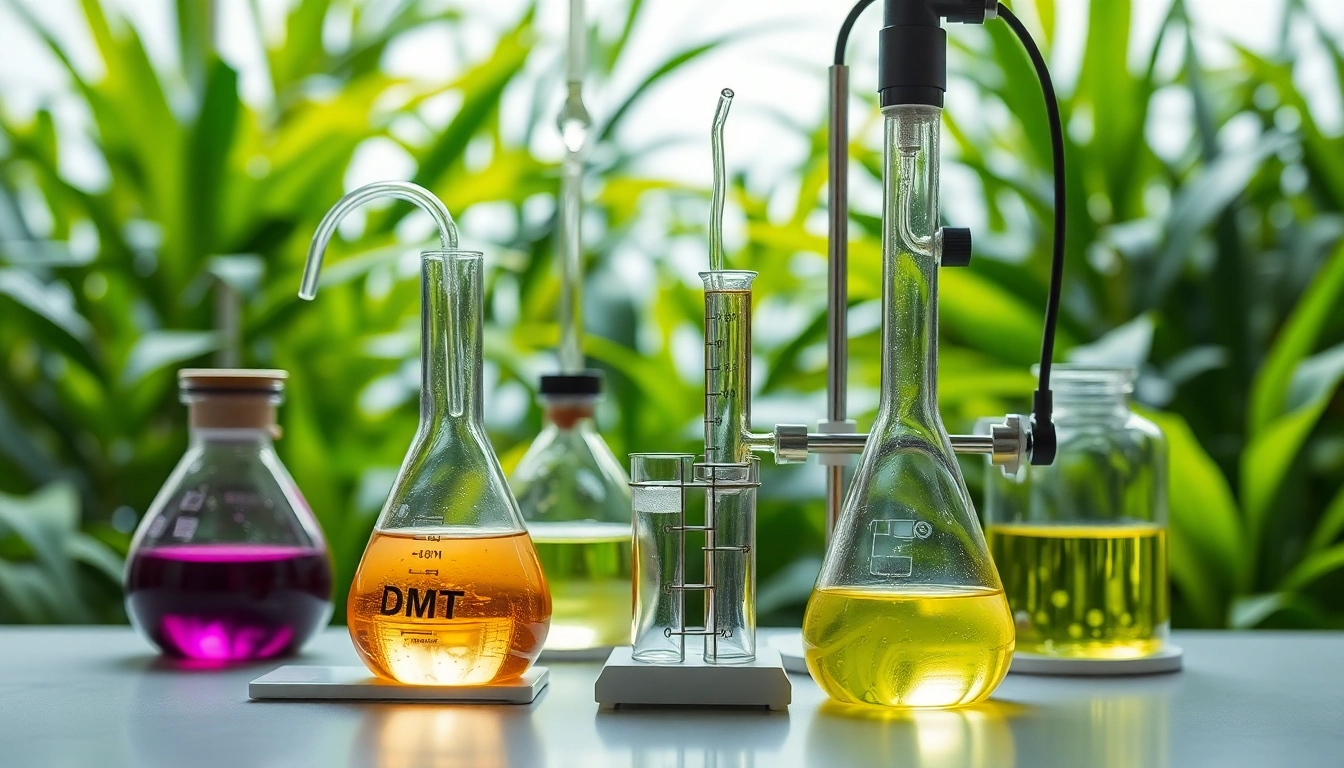
Introduction to DMT
DMT, or N,N-Dimethyltryptamine, is a powerful psychedelic compound increasingly gaining interest for its unique properties and potential therapeutic applications. Fairly controversial, DMT is naturally occurring in numerous plants and can also be synthesized in laboratory settings. For those curious about how to get dmt, understanding the context, legal implications, and potential effects is vital for any exploration.
What is DMT?
DMT is a tryptamine molecule that produces profound alterations in consciousness when consumed. Unlike other psychedelics like psilocybin or LSD, which have longer durations and milder effects, DMT offers a short-lived but intensely vivid experience, often described as transcendental or spiritual. Its effects are nearly immediate, typically peaking within 30 minutes and leading to a rapid return to baseline, which makes it unique among hallucinogens.
Historical Context of DMT Use
The use of DMT has ancestral roots, especially within indigenous cultures in South America. It is primarily known for its presence in the brew known as ayahuasca, a combination of DMT-containing plants and a MAO inhibitor that allows the DMT to be orally active. This traditional use is often linked with spiritual ceremonies, healing practices, and rites of passage, showcasing humanity's long-standing connection with this powerful compound.
DMT's Legal Status
In terms of legality, DMT exists in a gray area in many countries, being classified as a Schedule I substance in places like the United States. This status means it is considered illegal to manufacture, distribute, or possess. However, some religious groups have gained exemptions to use ayahuasca in ceremonial contexts. Therefore, navigating the legal landscape when considering how to get dmt is paramount to avoid legal repercussions.
Natural Sources of DMT
DMT is often obtained from various plants that serve as natural sources of the compound. Knowing these sources is essential for anyone curious about its extraction and potential use.
Plants Containing DMT
Numerous plant species contain DMT, with a few prominent examples including:
- Mimosa hostilis: This leguminous plant is primarily found in Brazil and is renowned for its high concentrations of DMT in its root bark.
- Psychotria viridis: Commonly used in the preparation of ayahuasca, this shrub contains notable amounts of DMT in its leaves.
- Diplopterys cabrerana: Another plant utilized in ayahuasca brews, it belongs to the family of rubiaceae and contains a significant amount of DMT.
Extraction Methods from Natural Sources
The extraction of DMT from these plants typically involves several methods, with the most popular being acid-base extraction. This method generally requires materials such as water, lye, and a non-polar solvent. The basic steps are:
- Grind the plant material to maximize surface area.
- Mix with water and add an acid to create an acidic solution.
- Filter the solution to separate the plant matter and collect the liquid.
- Add a base to the liquid to free the DMT from plant compounds.
- Use a non-polar solvent to extract the DMT, layer out the solvent, and evaporate it to obtain the crystalline product.
Risks and Legal Implications
Besides the physical risks associated with extraction, such as chemical burns or inhalation of noxious fumes, there are significant legal implications to consider. Extracting DMT can lead to severe legal consequences due to its illicit status in many jurisdictions. Furthermore, improper methods can result in impure, unsafe products, leading to harmful experiences or health risks.
Preparing DMT at Home Safely
The allure of DMT often prompts individuals to explore home extraction methods. However, achieving this safely and effectively requires considerable knowledge and preparation.
Essential Equipment for Extraction
Successfully extracting DMT necessitates specific equipment and materials, including:
- A digital scale for precise measurements.
- Glass or Pyrex containers for mixing.
- Chemicals (such as lye and acidic agents) that must be handled with caution.
- Non-polar solvents like naphtha or heptane for extraction.
- Safety gloves, goggles, and a mask to protect against toxic substances.
Step-by-Step Extraction Process
While there are various methods for extraction, novices should approach this carefully. Below is a simplified version of a common extraction process:
- Weigh out the desired quantity of root bark and place it in a glass jar.
- Add a measured amount of acidic solution (water and vinegar or lemon juice) and mix it well.
- Allow the solution to sit for 24 hours, mixing occasionally.
- Afterward, filter the solution to remove solid materials, collecting the liquid.
- Add a basic solution (lye diluted in water) and mix, allowing the DMT to be freed into the solution.
- Introduce a non-polar solvent and shake gently; DMT will dissolve into it. Let layers settle.
- Separate the layers and evaporate the solvent in a well-ventilated area, allowing crystals to form.
Safety Precautions to Consider
Safety is the top priority when dealing with chemicals. Key precautions include:
- Conducting the extraction in a well-ventilated area to minimize inhalation risks.
- Wearing proper protective equipment to avoid chemical burns and exposure.
- Storing all substances safely and away from children or pets to prevent accidental ingestion.
- Avoiding large-scale extractions initially to limit risks associated with handling large quantities of chemicals.
Potential Benefits and Risks
Exploring the psychedelic properties of DMT beckons intriguing potential for personal insights and therapeutic benefits, but it is essential to weigh these against inherent risks.
Psychedelic Experience Insights
Users often report intense experiences with DMT, frequently describing them as life-changing. Common themes include:
- A profound sense of connection to the universe.
- An encounter with entities or beings commonly referred to in the psychedelic community.
- Visions or experiences that transcend normal perception, leading to insights about life or existential concepts.
Possible Health Benefits
Research indicates that psychedelics, including DMT, may have therapeutic benefits. Emerging studies suggest potential uses in treating conditions such as:
- Depression and anxiety, via the introspective experiences DMT can provide.
- Addiction, by fostering new perspectives on compulsive behaviors.
- Post-Traumatic Stress Disorder (PTSD), where the intense experiences can help reset traumatic patterns.
Risks and Side Effects of DMT Use
Despite its potential benefits, using DMT is not without risks. Potential side effects include:
- Extreme anxiety or panic, particularly in unprepared users.
- Hallucinogen persisting perception disorder (HPPD), which can result in flashbacks.
- Physical side effects, such as increased heart rate or nausea during the experience.
FAQs About Getting DMT
What is the natural version of DMT?
The natural version of DMT is found in various plants, notably in Mimosa hostilis and Psychotria viridis. These plants can be used to produce DMT through traditional methods.
Is it legal to extract DMT?
Extracting DMT is considered illegal in many regions, including the United States, making it crucial to understand local laws before attempting extraction.
What effects does DMT have?
DMT is known for its intense psychedelic effects, often resulting in vivid hallucinations, profound insights, and a feeling of transcendence for users.
How is DMT used?
DMT can be consumed in various forms, including smoked, vaporized, or in the form of ayahuasca, which is traditionally brewed as a tea.
Are there alternatives to DMT?
Yes, alternatives to DMT include other psychedelics like psilocybin (magic mushrooms), LSD, and mescaline, each with its unique effects and experiences.