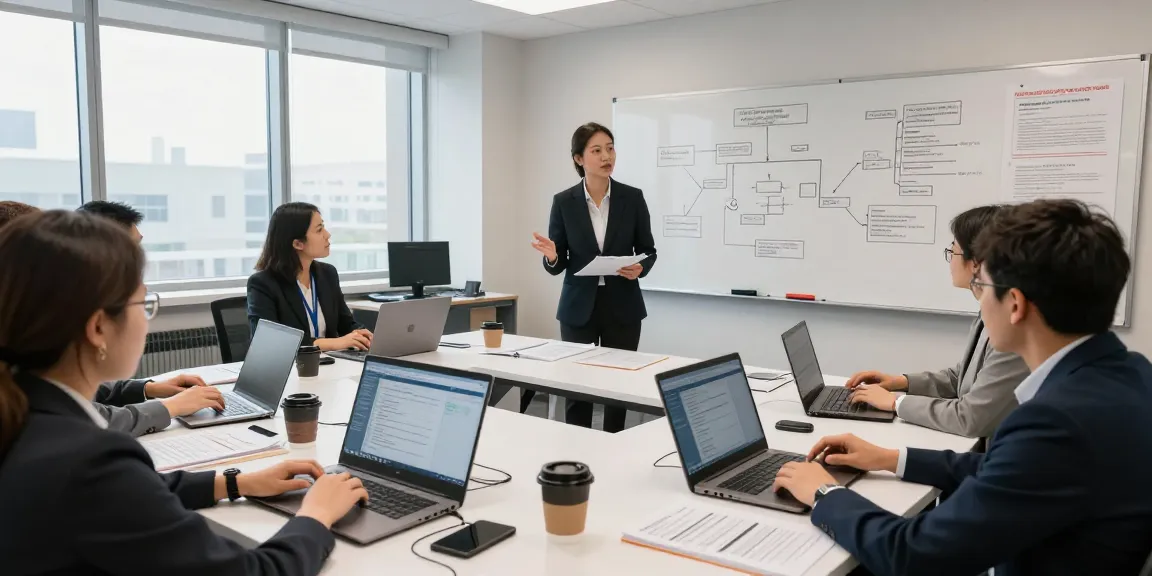

Understanding Forensic Auditing
Forensic auditing is a specialized field of auditing that involves the examination of financial information for use in legal proceedings. As the demand for transparency and accountability in organizations grows, forensic audits have become integral to both the public and private sectors. This discipline not only requires an adept understanding of accounting principles but also encompasses investigative skills, legal knowledge, and a keen eye for detail. For those looking to master forensic auditing, exploring resources such as aafikotadepok.org can provide invaluable insights into the profession’s requirements and ongoing developments.
What is Forensic Auditing?
Forensic auditing refers to the process of examining an entity’s financial statements and related documents to identify any discrepancies, fraud, or misconduct. This discipline merges accounting with investigative skills to uncover facts in a financial context. Unlike traditional audits that focus on compliance and accuracy, forensic audits are more about detection and evidence gathering, often resulting in legal action or regulatory scrutiny. They are crucial in legal disputes, fraud investigations, and various compliance issues.
Importance of Forensic Auditing in Organizations
In today’s complex business environment, forensic auditing plays a pivotal role across sectors. It serves as a deterrent against fraud, ensures compliance with regulatory standards, and helps maintain the integrity of financial reporting. By identifying vulnerabilities in internal controls, organizations can prevent financial misappropriation and safeguard assets. Moreover, the insights gained from forensic audits can lead to improved operational efficiencies and enhanced organizational governance.
Key Skills Required for Forensic Auditors
Successful forensic auditors possess a unique blend of skills that include:
- Analytical Skills: The ability to analyze data and identify patterns is crucial for spotting inconsistencies and potential fraud.
- Attention to Detail: A meticulous approach ensures that all discrepancies are accounted for and documented effectively.
- Legal Knowledge: Understanding the legal implications of auditing findings is essential, especially when cases may lead to litigation.
- Communication Skills: Forensic auditors must effectively communicate their findings in written reports and verbal presentations to stakeholders.
- Technical Proficiency: Familiarity with auditing software and data analytics tools enhances the efficiency and effectiveness of audits.
Core Principles of Forensic Auditing
Ethics and Integrity in Forensic Practices
Ethics play a fundamental role in forensic auditing. Auditors are often privy to sensitive information, and maintaining confidentiality is paramount. Ethical dilemmas may arise, requiring auditors to navigate complex situations with integrity. Adherence to professional codes of conduct and ethical standards helps to build trust and credibility, not just for the auditor but for the entire profession.
Data Analysis Techniques for Effective Auditing
Modern forensic auditing heavily relies on data analysis techniques. Techniques such as statistical sampling, exception reporting, and trend analysis can uncover anomalies that warrant further investigation. The use of specialized software allows auditors to process large data sets quickly, enabling them to make informed decisions based on concrete evidence rather than intuition alone.
Legal Frameworks Governing Forensic Auditing
Forensic auditors must be well-versed in the legal frameworks that govern their work. Knowledge of various regulations such as Sarbanes-Oxley, the Foreign Corrupt Practices Act, and Anti-Money Laundering laws is crucial. Understanding these laws ensures that audits not only meet industry standards but also comply with legal requirements, thereby minimizing the risk of litigation.
Developing Competencies in Forensic Auditing
Training Programs Offered by aafikotadepok.org
A robust training program is vital for aspiring forensic auditors. aafikotadepok.org offers various programs tailored to enhance the skills of its members, ranging from introductory courses to advanced workshops on forensic investigation techniques. Continuous education ensures auditors remain competitive and knowledgeable about the latest industry trends.
Certifications for Forensic Auditors
Obtaining relevant certifications can significantly enhance a forensic auditor’s qualifications. Notable certifications include Certified Fraud Examiner (CFE), Certified Forensic Accountant (CFA), and Certified Internal Auditor (CIA). These certifications demonstrate a professional commitment to the field and are often recognized by employers as evidence of expertise and credibility.
Continuing Professional Development Opportunities
As the field of forensic auditing evolves, so too must the professionals within it. Engaging in continuing professional development (CPD) is critical. This can take the form of workshops, conferences, and online courses that focus on emerging trends such as data analytics and cybersecurity in auditing. Participation in these opportunities helps auditors stay relevant and informed about the latest methods and technologies.
Collaborative Networks in Forensic Audit
Building Partnerships with Legal and Financial Institutions
Collaboration is key in forensic auditing. Building partnerships with legal and financial institutions can open doors to valuable resources and expertise. These partnerships facilitate knowledge sharing, promote best practices, and enhance the overall quality of forensic investigations.
Benefits of Joining Professional Associations
Membership in professional associations, such as AAFI, provides auditors with access to exclusive resources, networking opportunities, and industry-specific training. These associations often host events and conferences that allow members to connect with peers, share knowledge, and stay updated on developments in the field.
Networking Strategies for Forensic Auditors
Networking is essential for career advancement in forensic auditing. Professionals should leverage social media platforms like LinkedIn to connect with industry leaders and participate in relevant discussions. Additionally, attending industry conferences and seminars fosters relationships that can lead to collaborative opportunities and career growth.
Future Trends in Forensic Auditing (2026 and Beyond)
Technology Impact on Forensic Auditing Practices
Technology is rapidly reshaping the landscape of forensic auditing. Advanced data analytics tools, artificial intelligence, and machine learning are being integrated into auditing practices, allowing for more efficient and accurate investigations. As these technologies evolve, forensic auditors must stay abreast of these changes to leverage them effectively in their work.
Increasing Importance of Cybersecurity in Auditing
With the rise of digital transactions, cybersecurity has become a focal point in forensic auditing. As fraudsters become more sophisticated, auditors must enhance their skills in cybersecurity measures to protect sensitive data and identify potential vulnerabilities in an organization’s digital infrastructure.
Emerging Areas of Focus for Forensic Auditors
The future of forensic auditing will likely see a growing emphasis on areas such as digital forensics, compliance audits related to data protection regulations, and evaluations of blockchain technologies. As these areas gain prominence, auditors will need to develop specialized knowledge to stay competitive in the marketplace.
What are the key responsibilities of a forensic auditor?
The primary responsibilities of a forensic auditor include examining financial records to identify discrepancies, conducting interviews to gather information, preparing reports documenting findings, and collaborating with law enforcement or legal teams during investigations. They must also stay informed about legal regulations and industry standards to conduct their work effectively.
How can I improve my skills in forensic auditing?
Improving skills in forensic auditing can be achieved through various methods, including pursuing relevant certifications, attending workshops and industry conferences, and gaining practical experience through internships or mentorships. Regularly engaging with professional associations also provides insights into the latest trends and best practices.
What resources does aafikotadepok.org provide for auditors?
AAFI Kota Depok offers a wealth of resources for auditors, including training programs, access to industry publications, networking opportunities, and forums for discussing challenges and solutions in forensic auditing. These resources support continuous professional development for its members.
What is the future of forensic auditing?
The future of forensic auditing is promising, with increasing demand for specialized skills in areas such as data analysis, cybersecurity, and compliance with evolving regulations. As businesses seek greater transparency, the role of forensic auditors will become increasingly crucial in maintaining integrity and accountability.
How do forensic auditors collaborate with other professionals?
Forensic auditors often collaborate with legal professionals, law enforcement, IT specialists, and corporate executives. Such collaborations ensure comprehensive investigations and the effective implementation of findings. By working together, they can address complex issues that intersect various domains of expertise.