Understanding Vinyl Flooring
What is Vinyl Flooring?
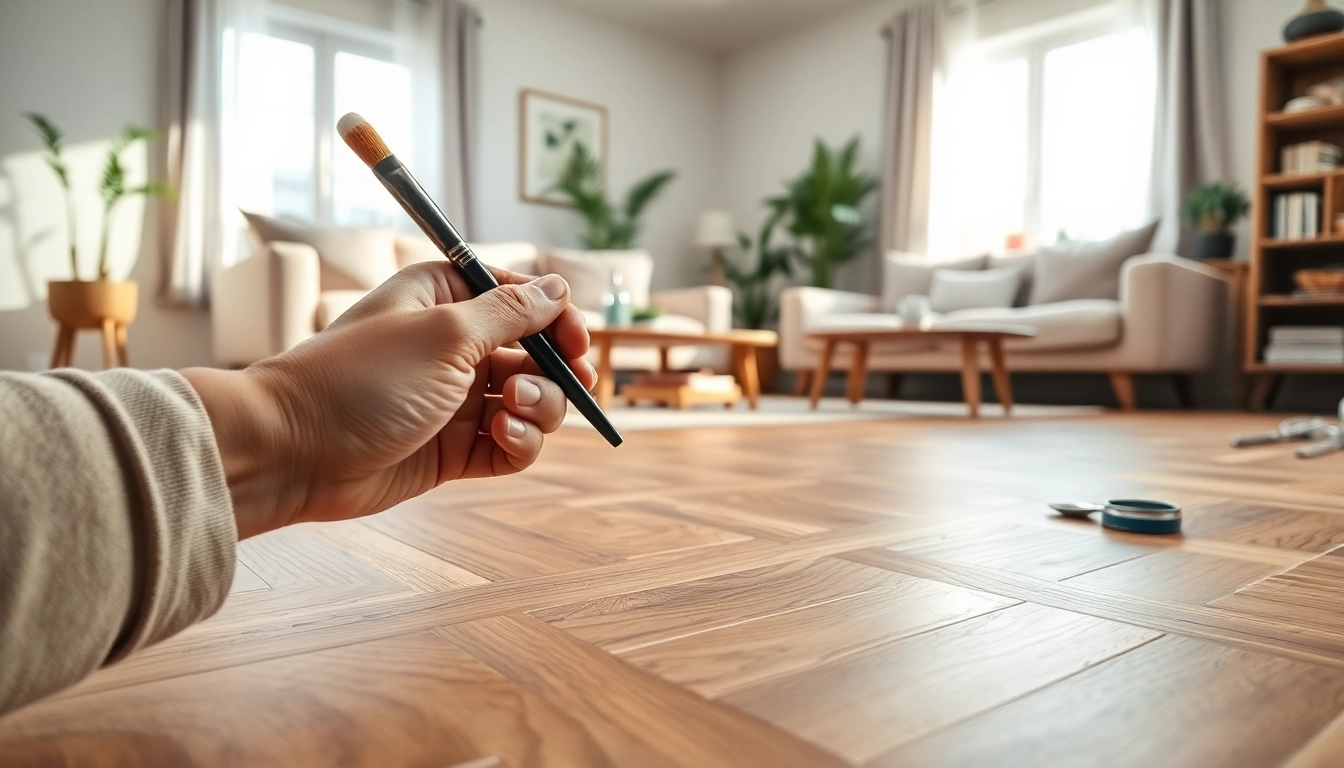
Vinyl flooring is a synthetic flooring material made from polyvinyl chloride (PVC). Known for its versatility and durability, vinyl flooring has gained popularity in homes and commercial spaces alike. It can mimic the appearance of natural materials such as hardwood and stone while offering better resistance to moisture and wear. Vinyl flooring is available in various forms, including sheets, tiles, and planks, making it suitable for a variety of applications and aesthetic preferences.
Benefits of Vinyl Flooring
Vinyl flooring comes with numerous advantages that make it an appealing choice for both residential and commercial spaces:
- Water Resistance: Many vinyl flooring types are designed to resist moisture, making them ideal for kitchens, bathrooms, and basements.
- Durability: Vinyl is highly durable, capable of withstanding heavy foot traffic and wear, which is particularly beneficial in busy households or commercial settings.
- Ease of Maintenance: A simple sweeping and mopping routine can keep vinyl floors looking new. Stains and spills can be easily cleaned up.
- Variety of Styles: With countless designs, patterns, and colors available, vinyl flooring can match any interior style, from modern to rustic.
- Comfort and Insulation: Vinyl flooring provides a softer surface underfoot compared to materials like tile or hardwood, and it can also help with insulation, reducing energy costs in the long run.
Types of Vinyl Flooring Options
Understanding the different types of vinyl flooring will help you make an informed choice that suits your needs:
- Vinyl Sheets: These come in large, flexible sheets and are ideal for covering large spaces without seams.
- Vinyl Planks: Resembling hardwood, vinyl planks come in a variety of styles and can be installed with click-lock systems for easy DIY installation.
- Vinyl Tiles: Available in square tiles, they offer versatile design options and can be installed in patterns for added visual appeal.
- Luxury Vinyl Tile (LVT): This premium option not only replicates the look of high-end materials but is also thicker and more resilient.
How to Choose Vinyl Flooring Near Me
Assessing Your Space
Before selecting vinyl flooring, consider the characteristics of your space. Evaluate the size of the area, the level of foot traffic, and the existing décor. Identify specific needs such as moisture resistance for bathrooms or durability for high-traffic zones. This assessment will guide you in selecting the right vinyl flooring type that meets your functional and aesthetic requirements.
Comparing Styles and Designs
Vinyl flooring offers a wide array of styles, colors, and textures. When searching for vinyl flooring near me, explore options that match your home’s overall style. Consider trending colors and patterns, and think about how these choices will complement existing furniture and fixtures. It’s beneficial to obtain samples so you can visualize how the flooring will look in your space.
Understanding Installation Costs
The cost of vinyl flooring installation can vary widely based on several factors, including the type of vinyl flooring, the complexity of the installation, and regional pricing differences. Typically, vinyl plank flooring installation costs range from $1 to $3 per square foot, while sheet vinyl can be less costly. Always factor in additional expenses such as underlayment, baseboards, and potential subfloor repairs when budgeting for your flooring project.
Installation Process for Vinyl Flooring
Preparing Your Subfloor
A proper subfloor is critical for the longevity and performance of your vinyl flooring. Begin by removing any existing flooring and thoroughly cleaning the subfloor. Ensure it is dry, level, and free from debris. Repair any damage, such as cracks or uneven patches, to provide a solid foundation for your vinyl flooring.
Step-by-Step Installation Guide
Installing vinyl flooring can be a straightforward process. Follow these steps:
- Acclimate the Flooring: Allow your vinyl to acclimate in the room where it will be installed for at least 48 hours.
- Lay Out the Material: Before securing the flooring, lay it out in the desired pattern to ensure everything fits correctly.
- Cut and Install: Using a utility knife, cut the vinyl to size. Start installing along a straight wall, using adhesive or click-lock edges according to the type selected.
- Continue Installation: Work your way across the room, ensuring tight seams and a secure fit.
- Finishing Touches: Once installed, trim excess material and install baseboards or transitions to finish the look.
Common Mistakes to Avoid
While installing vinyl flooring, be mindful of these common pitfalls:
- Skipping the acclimation process, which can lead to expansion and contraction issues.
- Ignoring subfloor preparation, resulting in an unstable surface.
- Not accounting for pattern alignment, which can disrupt the overall aesthetic.
- Forgetting to leave expansion gaps along walls, which are necessary to accommodate changes in temperature.
Maintenance Tips for Vinyl Flooring
Daily Cleaning Practices
Maintaining vinyl flooring is relatively easy. For daily cleaning, sweep or vacuum to remove dust and dirt. Mop regularly with a damp mop and a mild cleaning solution recommended for vinyl flooring. Avoid harsh chemicals or abrasive tools that can scratch or damage the surface.
Long-Term Care and Maintenance
To ensure your vinyl flooring lasts, adhere to these best practices:
- Immediately clean spills to prevent staining.
- Use felt pads under furniture to avoid scratches.
- Periodically check for damaged areas and repair them promptly to avoid further issues.
When to Call Professionals
While many maintenance tasks can be handled independently, it can be beneficial to consult professionals for deep cleaning, repairs, or when considering a complete flooring replacement. Professionals can address underlying issues that may not be visible to the untrained eye and provide tailored advice specific to your flooring type.
Frequently Asked Questions about Vinyl Flooring Near Me
Is vinyl flooring waterproof?
Many vinyl flooring options are waterproof or water-resistant, making them suitable for areas prone to moisture, such as bathrooms and kitchens.
How long does vinyl flooring last?
With proper care, vinyl flooring can last between 10 to 20 years, depending on quality and usage.
Can I install vinyl flooring myself?
Yes, many types of vinyl flooring are designed for DIY installation, especially peel-and-stick and click-lock options.
How do I clean vinyl flooring?
Regularly sweep or vacuum, and mop with a damp cloth using a mild cleaner specifically formulated for vinyl to maintain its appearance.
What are the best vinyl flooring brands?
Look for reputable brands that offer a warranty, durability, and a wide range of styles to find the best vinyl flooring options for your home.